


Wellness and Parkinson's Disease
- syellen63
- Nov 18, 2025
- 4 min read
Updated: Nov 23, 2025
Living well with Parkinson’s requires more than medication and doctor appointments — it demands a wellness approach that supports the whole person. Because Parkinson’s affects people living with the disease in so many ways, we need every advantage we can get.
Wellness, at its core, means pursuing the mental, physical and emotional balance that helps you operate at your best. A strong foundation can improve energy, movement, sleep, resilience and overall quality of life. From nutrition and exercise to stress reduction, sleep and low-toxicity living, the right wellness practices can strengthen the brain and body in meaningful ways.
Wellness isn’t a single strategy; it’s a collection of intentional habits that work together. And it’s different for each person. In this post, we’ll explore a Parkinson’s-centered wellness plan and why a personalized, balanced approach can make such a profound difference.
Important: As with any lifestyle change, you should always partner with your care team to shape a routine that fits your needs, goals and comfort level.
Why Wellness Matters in Parkinson’s Disease
In Parkinson’s, there are many things we can’t control — but wellness helps us focus on the things we can. When we build strength, nourish the body, protect the brain and manage stress, we create a buffer against symptoms and a foundation for resilience.
Research continues to show that lifestyle choices can influence neuroplasticity, mood, cardiovascular health and cognitive function. More importantly, those choices can influence how we feel today, as well as how we will feel in the future.
The Four Pillars of Wellness
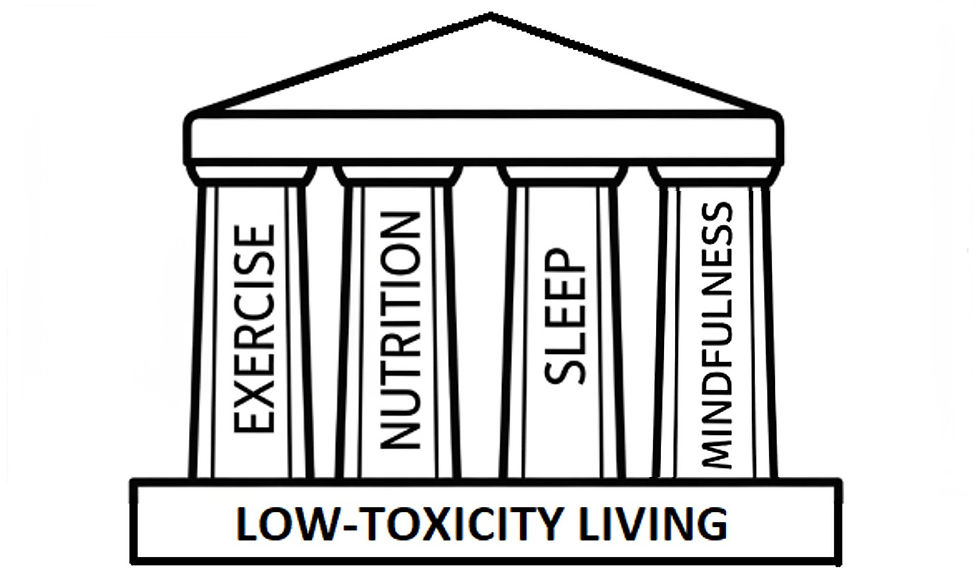
In this article, adapted from my book Living Parkinson’s, we’ll focus on what I call the Four Pillars of Wellness — Exercise, Nutrition, Sleep and Mindfulness (stress management) — all built on a foundation of “Low-Toxicity Living.” The goal isn’t perfection. The goal is progress.
Exercise: The Core of Parkinson’s Wellness
If wellness has a center of gravity for people with Parkinson’s, exercise is it. Many neurologists now say it may be “as important as medication.” Consistent movement supports motor function, balance, cognition, posture, sleep and the brain’s ability to adapt.
The consensus opinion is a Parkinson's-specific exercise program should consist of:
⏵ Aerobic Activity: 3 days a week (at least 30 minutes a session)
⏵ Strength Training: 2-3 days a week (at least 30 minutes a session)
⏵ Balance & Agility: 2-3 days a week
⏵ Stretching: 2-3 days a week, but daily if possible
The best exercise program is the one you can stick with. It may include any number of pursuits: aerobics, strength work, balance and mobility training, group activities such as boxing-style classes, yoga or Tai Chi, or simply intentional walking. What matters most is consistency.
Exercise doesn’t just strengthen the body — it fosters an attitude and builds resilience. It shifts you from being a passive recipient of symptoms to an active participant in shaping your future.
Nutrition: Fuel That Supports the Brain and Body
There is no single “Parkinson’s diet,” but nutrition plays a powerful role in supporting energy, managing symptoms and improving gut health. Most people benefit from approaches inspired by Mediterranean eating: whole foods, fresh produce, quality proteins, healthy fats and fewer refined carbohydrates.
The gut-brain connection is increasingly important in Parkinson’s research. A nourished gut can help regulate digestion, immune function, inflammation and even mood — all essential for daily wellness. The guiding principle is simple: think fuel, not rules. Choose foods that support your body and reduce the ones that don’t.
Sleep: The Underrated Cornerstone of Wellness
Sleep challenges are common in Parkinson’s, yet sleep remains one of the most restorative tools we have. Quality sleep supports cognition, mood, motor function, immune health and overall energy.
Minor adjustments can make a meaningful difference: aiming for consistent sleep and wake times, minimizing screens at night, creating a calming bedtime routine, adjusting caffeine timing and talking with your care team about issues such as REM sleep behavior disorder or insomnia. Sleep isn’t optional — it’s part of your treatment plan.
Mindfulness (Managing Stress): Removing a Constant Drain
Mindfulness is the conscious effort to prevent the stress of the day from draining your energy and stealing your focus. Stress doesn’t just feel uncomfortable — it directly affects Parkinson’s symptoms, often worsening tremor, rigidity, gait issues and mental clarity. It’s like a constant friction, robbing you of the energy you need to fight the disease. Managing stress can improve symptom stability, emotional well-being and day-to-day confidence.
Effective strategies might include mindfulness or meditation, breathwork, journaling, therapy or support groups, time in nature or activities that bring joy and creativity. The goal isn’t to eliminate stress — it’s about keeping it from ruling your day.
Low-Toxicity Living: Clearing the Path
Low-toxicity living means reducing exposure to harmful chemicals in your food, water, home and personal care products so your body can function more efficiently. Simple shifts, such as choosing certain organic produce, drinking filtered water, improving indoor air quality or reducing plastic use, can help lower your overall “toxic burden.”
Emerging research is exploring how long-term exposure to certain pesticides and industrial chemicals may increase the risk of Parkinson’s. For those already living with the disease, a lower-toxicity lifestyle is about giving the body the cleanest environment possible to support healing, reduce inflammation and lighten the load on the nervous system.
Wellness Isn’t About Perfection—It’s Incremental
If you take one idea from here, let it be this: Wellness is cumulative. It’s the sum of small, intentional choices. You don’t need to overhaul your life or master every habit. You simply take one step, then another.
Wellness is accessible. It’s adaptable. And it evolves with you. It’s not about flawless health; it’s about creating a life that supports your best self, today and tomorrow.
Your Wellness Journey Starts Now
So don’t simply wait for better days — create them! Through movement, nourishment, rest, mindfulness and connection, you can build strength from the inside out.
And that’s the heart of it: You can’t control everything, but you can influence far more than you might think.
Additional Resources
Parkinson Weekly, hosted by Prof. Bas Bloem. The role of lifestyle interventions in symptom management and disease modification in Parkinson’s disease (link)
A much more detailed journey into Wellness is in the book, Living Parkinson's


Comments